Dogtra Electronic Fence
A Dogtra electronic fence lets your dog enjoy the yard while keeping it inside the boundaries you choose. Instead of a tall physical fence that blocks the view, breaks HOA rules or costs thousands to put up, a buried boundary wire and a light receiver collar make an invisible boundary that dogs learn quickly.
Showing all 15 results
-
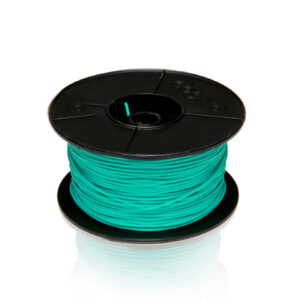
Dogtra 500 ft Boundary Wire for E-Fence Series
$49.99 Add to cart -
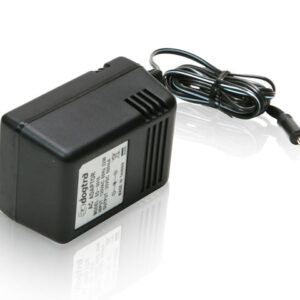
Dogtra Charger BC25V500 3.5 for E-Fence Series Transmitter
$24.99 Add to cart -
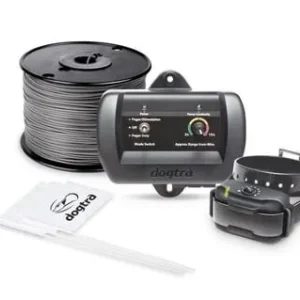
Dogtra E-Fence 3500 Underground Electronic Dog Fence
$269.99 Add to cart -
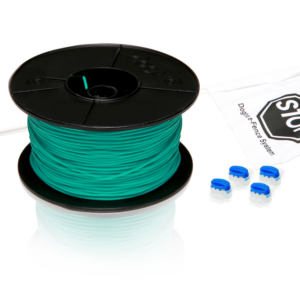
Dogtra EF-3500 E-Fence Expansion Kit
$59.99 Add to cart -
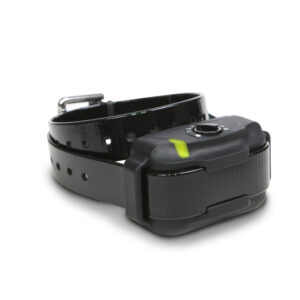
Dogtra EF3500 Additional Receiver
$89.99 Add to cart -
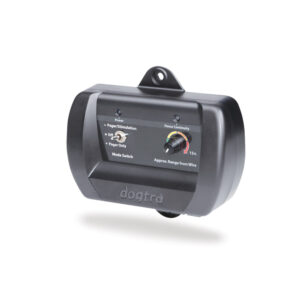
Dogtra EF3500 Transmitter
$129.99 Add to cart -
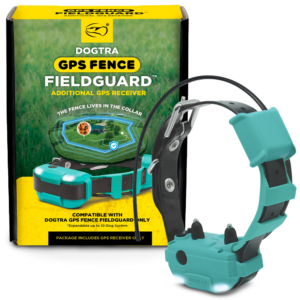
Dogtra FieldGuard Additional Receiver
$269.99 Add to cart -
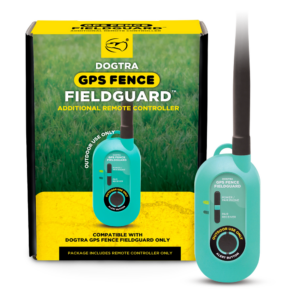
Dogtra FieldGuard Remote Controller
$199.99 Add to cart -
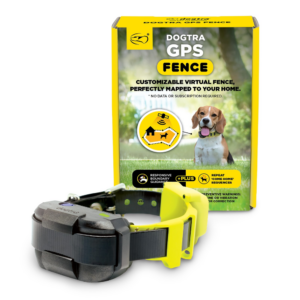
Dogtra GPS Fence
$199.99 Add to cart -
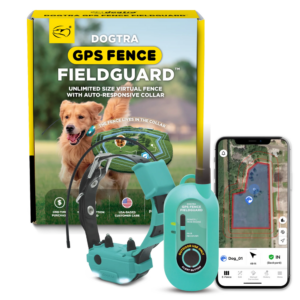
Dogtra GPS Fence FieldGuard
$429.99 Add to cart -
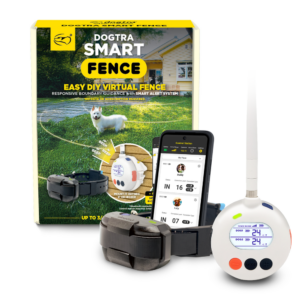
Dogtra Smart Fence
$279.99 Add to cart -
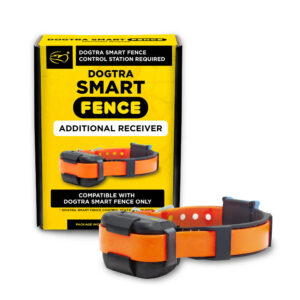
Dogtra Smart Fence Additional Receiver
$189.99 Add to cart -
Sale!
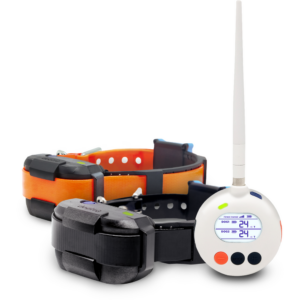
Dogtra Smart Fence Bundle with Additional Receiver
Original price was: $469.98.$449.98Current price is: $449.98. Add to cart -
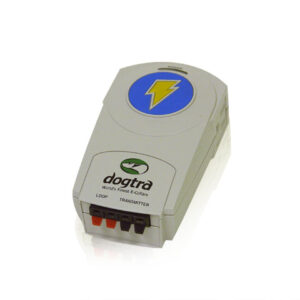
Dogtra Surge Protector
$49.99 Add to cart -

Dogtra Waterproof Splice Kit (4 Pack)
$7.49 Add to cart
How the Dogtra E-Fence 3500 works
The Dogtra E-Fence 3500 has a wall-mounted transmitter connected to a loop of boundary wire around your property. As your dog gets close to the wire, the waterproof receiver collar first gives a warning, then a correction if the dog keeps going. Because the warning always comes first, most dogs learn to turn back on the warning alone within a few days of short, consistent sessions with flags along the line.
It covers large properties, lets you adjust how wide the boundary zone is, and has several correction levels so you can match it to your dog's size and sensitivity. The rechargeable receiver keeps running costs down, and you can add collars for more dogs on the same boundary.
Is an electronic fence right for you?
It makes sense if you want to keep a dog out of the road, away from a pool or garden, or inside an unfenced rural property. It works best for dogs that are at least six months old, healthy and already know basic obedience. Introduce the boundary gradually with a leash and visible flags, keep sessions short and positive, and don't leave a new dog unsupervised until training is done.
GPS fence or wired fence?
A lot of people search for a Dogtra GPS fence. A wired system like the E-Fence 3500 gives you a fixed, precise boundary around the home. If your dogs roam bigger country, the Dogtra Pathfinder 2 has GPS geofence alerts in its app, so you get a notification when a dog leaves an area you've drawn on the map. Plenty of owners use both: the wired fence at home and Pathfinder 2 in the field.
Teaching your dog the boundary
A fence only works if the dog understands it, so plan on a week or two of short training sessions. Put the flags out along the boundary, walk your dog on a leash near them and let the collar warn it, then praise it for turning back. Keep sessions to ten or fifteen minutes. Most dogs get it quickly, but don't leave a dog alone with the fence until it's reliable.
Check the collar fit and the batteries regularly too. A loose collar or a flat receiver is the most common reason a fence that used to work suddenly stops.
Adding to your setup
Pair your fence with a Dogtra remote training collar for recall and obedience, or a Dogtra bark collar if your dog barks at people walking past. Not sure what you need? Contact us or browse the full range of Dogtra e collars. Every order ships with tracking.